Description
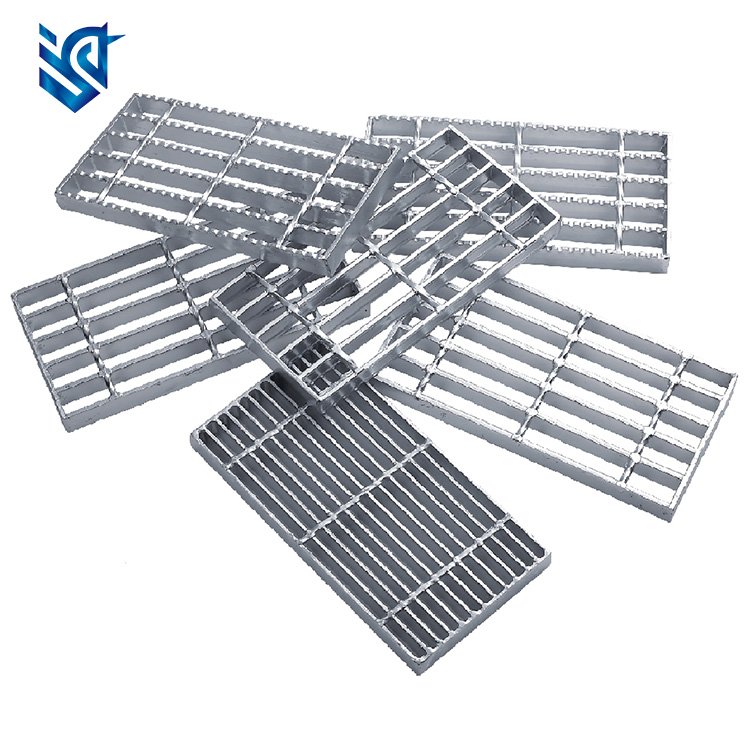
Steel grating is a strong, durable, and versatile metal product commonly used for flooring, walkways, stair treads, and platforms in industrial and commercial settings. Composed of bearing bars and cross bars welded or joined together, steel grating creates a sturdy, open-grid structure that provides excellent load-bearing capacity while allowing for efficient drainage and ventilation. Its robustness and adaptability make steel grating a popular choice for environments where safety, durability, and performance are paramount.
Material Composition:
High-Quality Steel: Steel grating is typically made from carbon steel or stainless steel, providing high strength and durability. Carbon steel grating can be galvanized for enhanced corrosion resistance, while stainless steel grating offers superior resistance to rust and chemical exposure.
Bearing Bars and Cross Bars: The bearing bars, which run in one direction, support the load, while the cross bars, welded or joined to the bearing bars, maintain the grid structure’s stability.
Types of Steel Grating:
Welded Steel Grating: The most common type, where the bearing bars and cross bars are welded together at their intersections, forming a strong, durable bond suitable for high-load applications.
Press-Locked Grating: Bearing bars and cross bars are pressed together under high pressure, creating a smooth, tight fit without welding, which is often used in architectural or lighter-load applications.
Swage-Locked Grating: Cross bars are inserted through pre-punched holes in the bearing bars and then swaged (pressed), locking the bars in place, providing a clean, aesthetic finish.
Surface Options:
Smooth Surface: Provides a flat surface, ideal for applications where minimal resistance or friction is needed.
Serrated Surface: Offers a higher level of slip resistance, making it ideal for areas prone to wet or oily conditions, ensuring safety in environments where traction is critical.
Sizes and Load Capacities:
Steel grating is available in various thicknesses, bar spacings, and panel sizes to accommodate different load requirements, from light pedestrian traffic to heavy industrial loads.
Applications of Steel Grating:
- Industrial Flooring:Widely used in factories, power plants, and warehouses for flooring, walkways, and platforms where durability, load-bearing capacity, and safety are essential.
- Stair Treads:Ideal for creating sturdy, slip-resistant stair treads in industrial settings, ensuring safe access to elevated areas. Walkway steel gratings are very popular nowadays.
- Drainage Covers:Used in drainage systems to cover trenches and channels while allowing water and debris to pass through, making it suitable for roadways, parking lots, and industrial sites.
- Security Fencing:Employed as a robust fencing material that provides security while allowing visibility and airflow.
- Access Platforms:Used in maintenance platforms and access areas in industrial environments, providing a stable and secure surface for workers.
- Architectural Applications:In modern architecture, steel grating is used for its aesthetic appeal, offering a sleek, industrial look in building facades, sunshades, and decorative installations.
Advantages of Steel Grating:
- High Strength:Steel grating is designed to support heavy loads, making it suitable for demanding industrial environments where durability is critical.
- Excellent Drainage and Ventilation:The open-grid design allows liquids, debris, and air to pass through easily, preventing the accumulation of water and reducing the risk of slipping.
- Slip Resistance:Serrated grating options provide enhanced traction, ensuring safety in environments where spills or wet conditions are common.
- Corrosion Resistance:Galvanized or stainless steel grating offers superior resistance to rust and corrosion, extending the product’s lifespan in harsh environments.
- Low Maintenance:Steel grating requires minimal upkeep, providing a long-lasting, cost-effective solution for flooring and other applications.
- Versatility:Available in various sizes, materials, and finishes, steel grating can be customized to meet the specific needs of different industries and applications.
We offer high-quality steel grating solutions designed to meet the rigorous demands of industrial and commercial applications. Whether you need durable flooring, safe stair treads, or reliable drainage covers, our steel grating products provide the strength, safety, and performance you need. With our commitment to quality and customer satisfaction, you can trust us to deliver grating solutions that exceed your expectations and withstand the test of time.