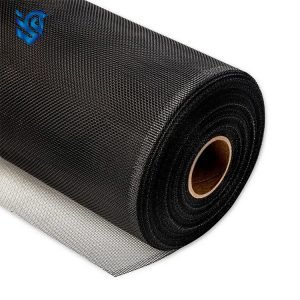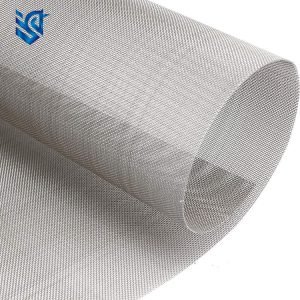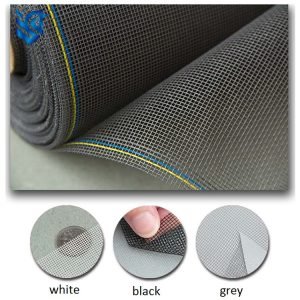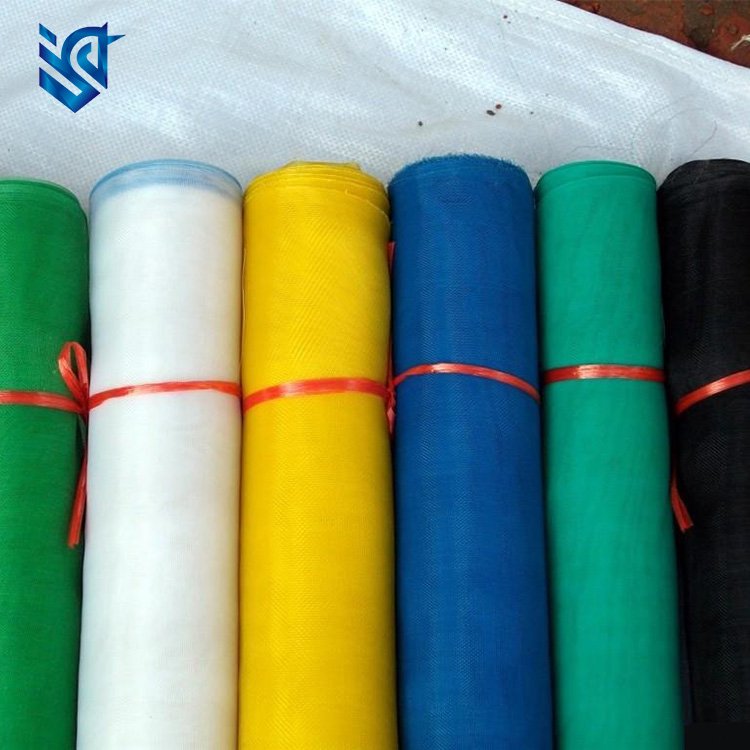
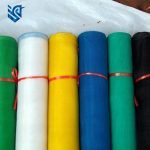
Plastic Window Screen

Lightweight mesh blocking insects while enabling airflow. UV-resistant, affordable, and durable for residential/commercial ventilation.

Additional information

Description

Material: High-density polyethylene(HDPE), good quality plastic

Characteristics: good insect repellent effect, good air permeability, light material, easy to clean, easy to transport, and affordable; the mesh screen is uniform, colorful and beautiful, and it is a substitute for glass fiber.

Application: Plastic window screen is widely used in various fields such as family residences, pest control, breeding, agriculture, etc.

MESH WIRE DIAMETER(mm) ROLL SIZE (m)
12X12 0.23 0.25 length:15-100

width:0.6-1.8

14X14 0.21 0.23 0.25
16X16 0.21 0.23 0.25
18X18 0.19 0.21 0.23 0.25
22X22 0.17 0.19 0.21 0.23
24X24 0.17 0.19 0.21 0.23

a

Q1: What are the benefits of plastic window screens?

Plastic window screens offer several advantages:

Durability: They resist dents, creases, and corrosion, making them long-lasting.

Flexibility: Their pliable nature simplifies installation and reduces the risk of damage.

Visibility and Airflow: They provide clear outward visibility and allow good airflow while keeping insects out.

Use a mild soapy solution and a soft brush to gently scrub the screen.

Avoid harsh scrubbing to prevent damage.

Rinse thoroughly with water and let it air dry before reinstalling.

Plastic window screens typically last 7 to 15 years before their coating begins to break down. Regular cleaning and maintenance can help extend their lifespan.

Yes! Installing plastic window screens is a manageable DIY project:

1.Measure your window frame accurately.

2.Cut the screen material to size.

3.Secure it using a spline and spline roller to ensure a snug fit.

4.Trim any excess material for a clean finish.

Minor damages can be fixed using a screen patch and repair kit, which includes:

Self-adhesive patches for quick fixes.

Glue or stitching for more secure repairs.

For larger damage, it’s best to replace the screen.

The cost varies based on material and size. On average:

100 square feet of screen material ranges from $10 to $30.

Professional replacement may cost more, depending on labor fees.

Secure one side of the screen first using the spline.

Gently pull the screen taut before securing the opposite side.

Repeat the process for the remaining sides to distribute tension evenly.

Trim excess material for a clean and professional look.

Ask For Quote

Just write the details then our staff will contact you shortly.