Perforated Metal Mesh

Durable, precision-punched metal sheets for architectural, industrial, and DIY applications, offering airflow, corrosion resistance, and design flexibility.

Additional information

fasdfdsfsadfsda

afagraefasdfsadfsdf

fasd

asdfasdfsadf

HWRTY

SRHDGSDGGRF

Description

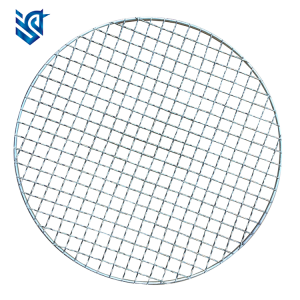
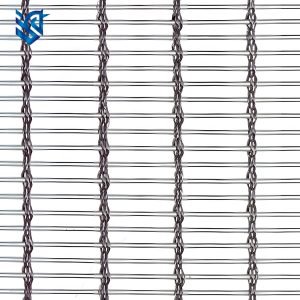
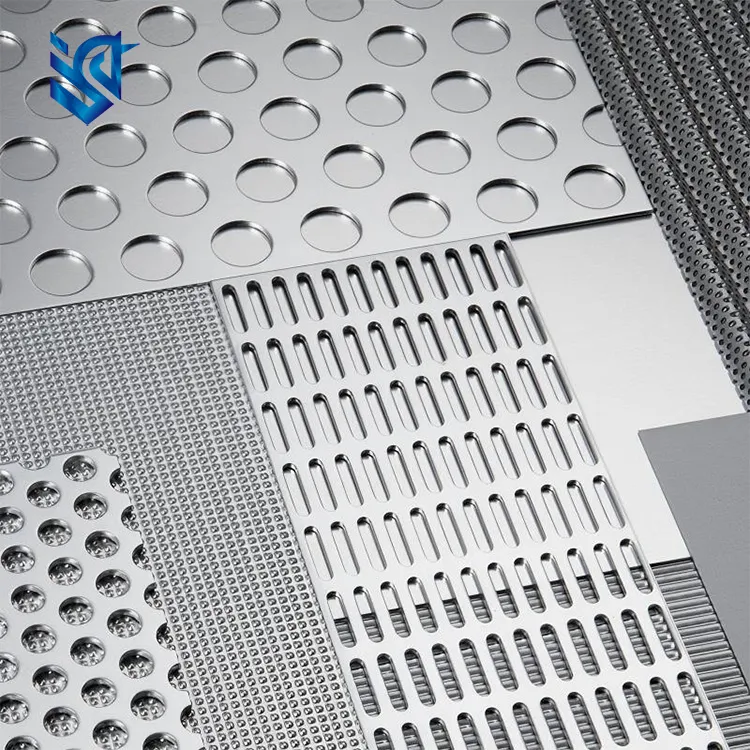
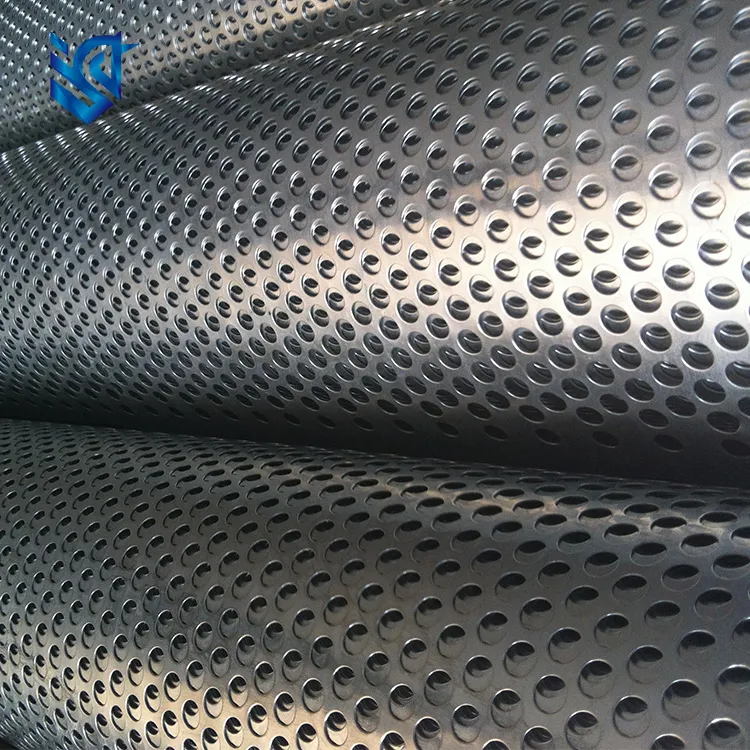
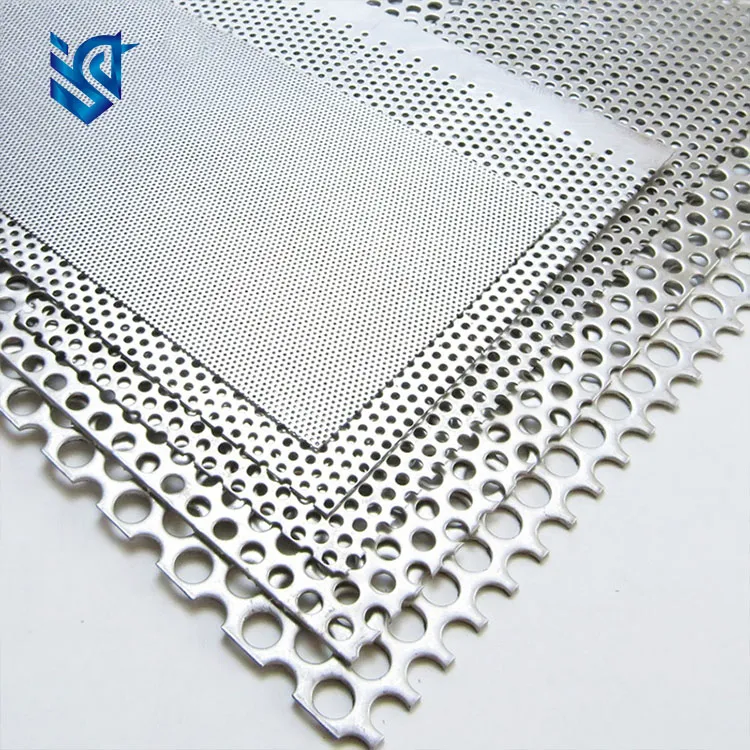
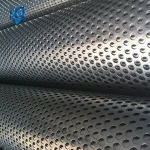
Perforated metal mesh is a highly versatile and durable material, engineered for a wide range of industrial, commercial, and architectural applications. Made from various metals such as stainless steel, aluminum, galvanized steel, and carbon steel, this mesh features a pattern of precisely punched holes, slots, or other shapes, offering unique benefits in terms of functionality and aesthetics.

Material Options:

Stainless Steel: Known for its excellent corrosion resistance, making it ideal for harsh environments or where hygiene is a priority.

Aluminum: Lightweight and resistant to corrosion, perfect for applications requiring easy handling and durability.

Galvanized Steel: Offers strong protection against rust and is cost-effective, suitable for outdoor use and general applications.

Carbon Steel: Provides exceptional strength and is ideal for heavy-duty applications where robustness is required.


Perforation Patterns:

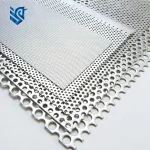
Round Holes: The most common pattern, available in various diameters and spacing to suit different filtration, ventilation, and decorative needs.

Square Holes: Provides a modern look and is used where higher open area percentages are needed.

Slotted Holes: Ideal for applications requiring directional airflow or drainage.

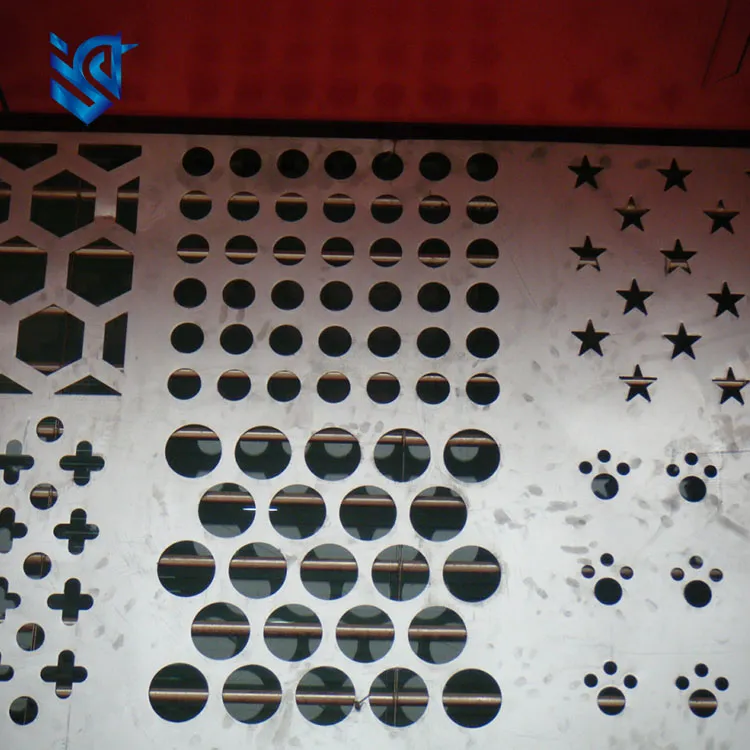
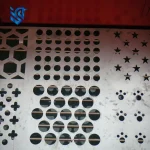
Custom Shapes: Can be designed to meet specific aesthetic or functional requirements, offering unlimited design possibilities.


Thickness: Ranges from light-gauge metals (0.5 mm) to heavy-gauge metals (up to 12 mm), depending on the strength and durability required for the application.

Open Area: The percentage of open space in the mesh, which can vary from 10% to 70%, is customizable based on needs for airflow, light passage, or filtration efficiency.


Sheet Sizes: Available in standard sizes (1m x 2m, 1.22m x 2.44m) and custom dimensions to accommodate specific project requirements.


Applications of Perforated Metal Mesh:

  • Filtration:Widely used in industrial filtration systems, where precise perforations allow for effective separation of solids from liquids or gases.
  • Ventilation:Ideal for HVAC systems, machine enclosures, and exhaust systems, providing excellent airflow while protecting against debris.
  • Acoustic Panels:Used in soundproofing applications, where the perforations help to absorb sound and reduce noise levels in various environments.
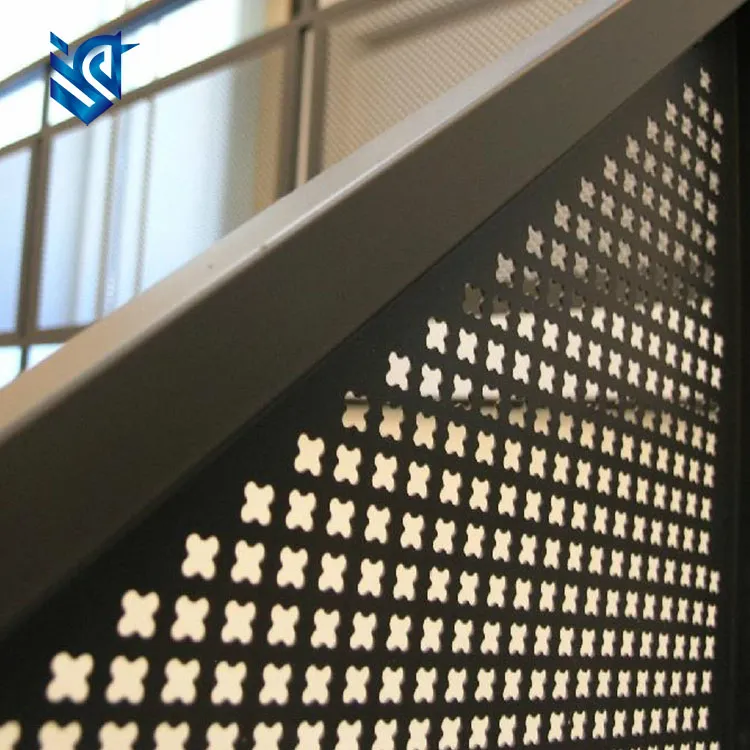
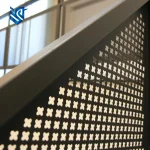
  • Architectural Design:A popular choice in modern architecture for facades, sunshades, and interior design elements, combining functionality with aesthetic appeal.
  • Security:Utilized in fencing, grilles, and screens to provide security while maintaining visibility and airflow.
  • Signage and Display:Used in creative designs for signage, displays, and decorative panels, offering a unique visual effect.

Advantages of Perforated Metal Mesh:

  • Versatility:Available in a wide range of materials, patterns, and thicknesses, making it suitable for a vast array of applications, from industrial to decorative.
  • Durability:Manufactured from high-quality metals, ensuring long-lasting performance even in challenging environments.
  • Customizability:Easily tailored to specific design or functional requirements, offering endless possibilities for customization.
  • Aesthetic Appeal:Combines functionality with modern design, making it a preferred choice for architects and designers.
  • Efficient Performance:Provides the ideal balance of strength, open area, and weight, enhancing efficiency in filtration, ventilation, and structural applications.

We pride ourselves on delivering high-quality perforated metal mesh tailored to the unique needs of our customers. Whether you require mesh for industrial use, architectural design, or custom projects, our extensive range of materials, patterns, and sizes ensures that you’ll find the perfect solution. With our commitment to precision and quality, you can trust us to provide perforated metal mesh that not only meets but exceeds your expectations in both performance and appearance.
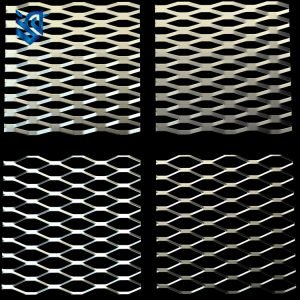
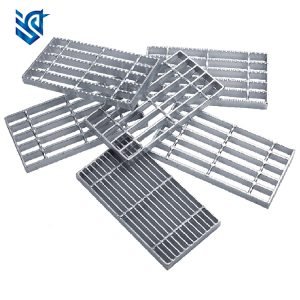
perforated metal specification

Q1: What is perforated metal mesh?

Perforated metal mesh is a sheet or panel made from materials like stainless steel, aluminum, or carbon steel, featuring precision-punched holes in patterns such as round, square, slotted, or hexagonal. It is used for applications ranging from industrial filtration to architectural design.

It is created using methods like CNC punching, laser cutting, or hydraulic presses to punch holes into metal sheets. The manufacturing process depends on required hole accuracy, material type, and project specifications.

Stainless steel: Corrosion-resistant for harsh environments.

Aluminum: Lightweight and rust-proof for architectural uses.

Carbon steel: Durable and cost-effective, often galvanized for rust protection.

Copper/Brass: Decorative and antimicrobial, ideal for design-focused projects.

Patterns: Round (standard), slotted (directional flow), hexagonal (aesthetic), or custom shapes (e.g., stars, logos).

Sizes: Range from 1mm to 50mm, balancing airflow, visibility, and structural strength.

Open area percentage is the ratio of hole area to total sheet area, calculated as:  

(Total Hole Area ÷ Total Sheet Area) × 100.  

It determines airflow, filtration efficiency, and durability. Higher percentages improve ventilation but reduce strength (common range: 30–60%).

Architecture: Facades, sunscreens, balustrades.

Industrial: Filters, machinery guards, conveyor belts.

Automotive: Grilles, exhaust systems.

Acoustics: Sound-dampening panels with foam/fiberglass backing.

Trending Uses: Sustainable facades, solar panel backing, DIY projects (furniture, trellises).

– Secure with screws, bolts, welding, or clips.  

– Use support frames for large panels to prevent warping.  

– Tools for cutting: Tin snips (thin sheets), angle grinders (thick sheets), or laser/waterjet services for precision.

Stainless steel: 20+ years outdoors.

Coated carbon steel: 10–15 years with maintenance.

Aluminum: 15+ years (rust-proof but prone to dents).

Yes! Thicker gauges (e.g., 10–14 gauge) support structural applications like platforms or stairs. Pair with sturdy frames for optimal strength.

Yes, especially stainless steel or powder-coated aluminum. Avoid uncoated carbon steel in wet/salty environments.

Perforated: Smooth edges, precise holes, better aesthetics.  

Expanded: Jagged edges, lighter weight, lower cost.

Yes! Clean the surface first, then apply powder coating, anodizing (for aluminum), or galvanizing. Use zinc-compatible primers for painted surfaces.

– Clean with mild soap, water, or solvents.

– Inspect coatings regularly; touch up damaged areas with zinc-rich paint.

– For clogged filters: Use compressed air or soft brushes.

– Material type (stainless steel > aluminum > carbon steel).

– Thickness (lower gauge = thicker = more expensive). 

– Customization (complex patterns, coatings).

– B2C customers: Online retailers (Amazon, Alibaba) or local sheet metal fabricators.

– B2b customers: Contact us directly. Competitive price and high quality.

Yes! Metals like steel and aluminum are 100% recyclable. Check local recycling programs for guidelines.

Yes! Use fine-hole mesh (2–3mm) for insect screens in gardens or HVAC systems.

We also recommend our window screen products for you. Please check the product list.

– Wear gloves (sharp edges) and eye protection when cutting.

– Ensure ventilation during welding/painting to avoid toxic fumes.

Absolutely! Popular DIY ideas include decorative lighting, plant trellises, custom signage, and furniture.

Metal offers superior durability, fire resistance, and eco-friendliness. Ideal for high-traffic or high-heat environments.

Additional information

fasdfdsfsadfsda

afagraefasdfsadfsdf

fasd

asdfasdfsadf

HWRTY

SRHDGSDGGRF

Ask For Quote

Just write the details then our staff will contact you shortly.