
Description
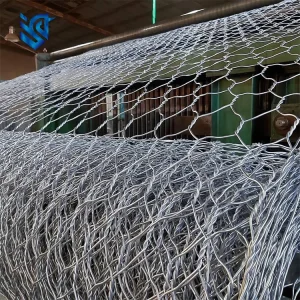
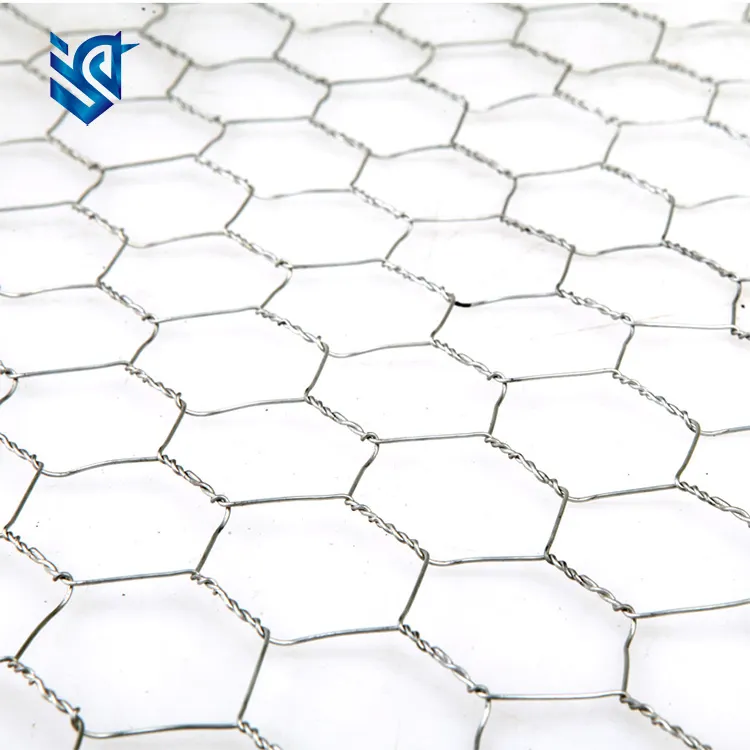
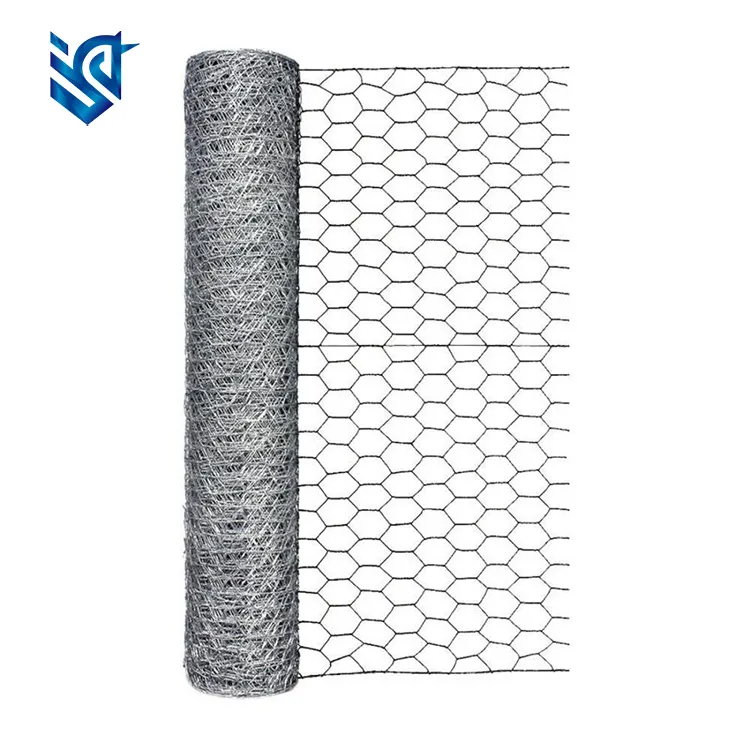
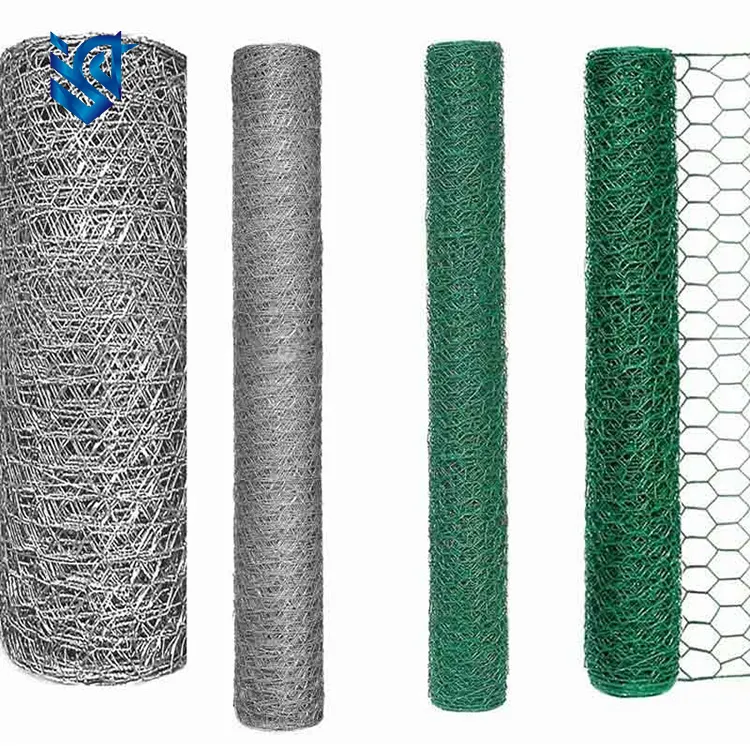
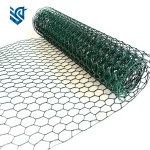
Hexagonal wire mesh, also known as chicken wire, poultry netting, or hex mesh, is a flexible and versatile fencing material made from thin, galvanized, or stainless steel wires that are woven into a hexagonal pattern. This type of mesh is commonly used in agricultural, industrial, and residential applications for its lightweight structure, ease of use, and adaptability.
Material:
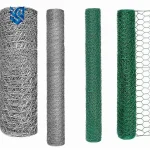
Galvanized Steel: Most commonly used for its rust resistance and durability, especially in outdoor environments.
Stainless Steel: Offers superior corrosion resistance and strength, making it suitable for more demanding applications.
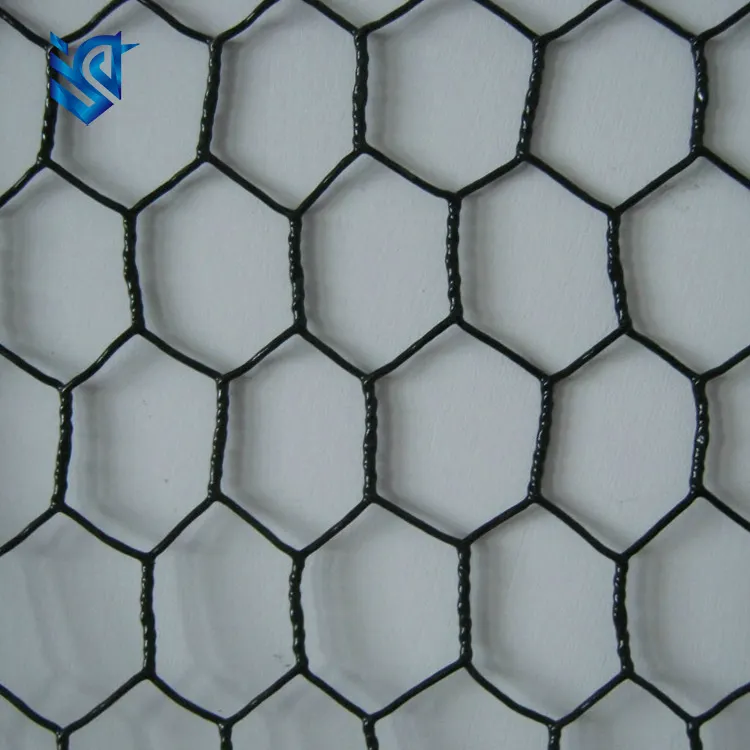
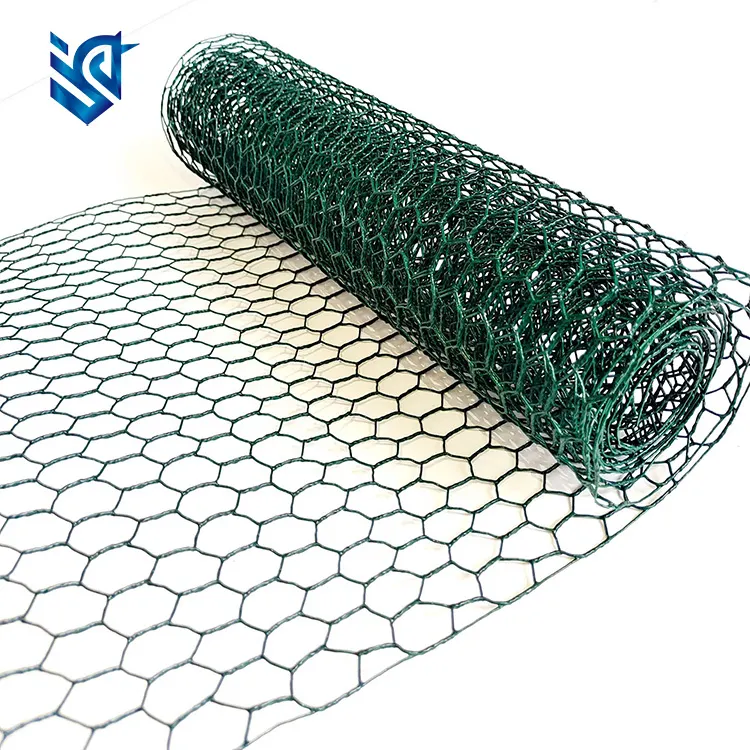
PVC-Coated: The mesh can be coated with a layer of PVC for added protection and available in various colors for aesthetic purposes.
Mesh Design:
Hexagonal Pattern: The wire is woven into a hexagonal (six-sided) shape, creating a strong yet flexible structure that can conform to different shapes and surfaces.
Wire Gauge: The thickness of the wire can vary, typically ranging from 18 to 27 gauge, depending on the intended use.
Sizes:
Mesh Opening: The size of the hexagonal openings usually ranges from 1/2 inch to 2 inches, with smaller openings providing more containment and larger openings allowing for better airflow and visibility.
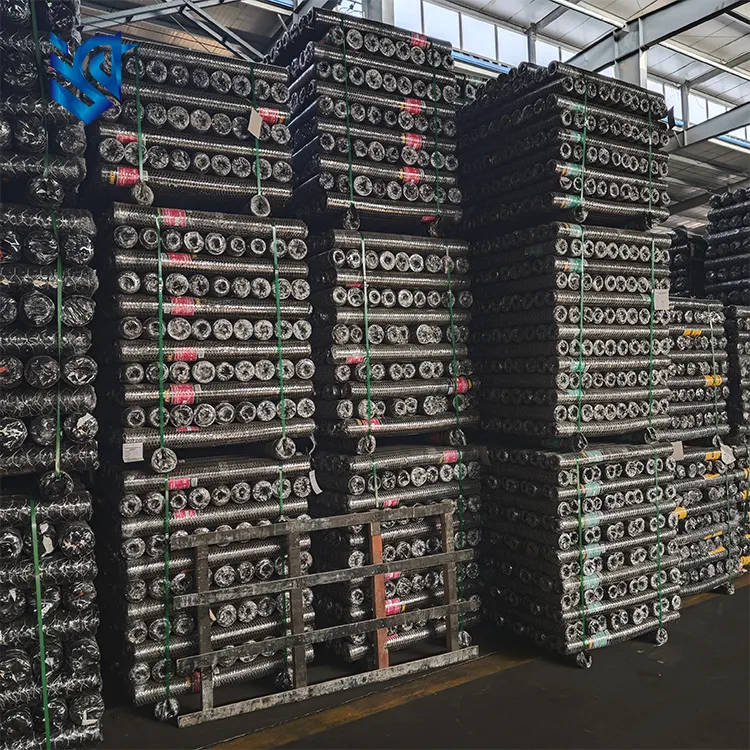
Roll Dimensions: The mesh is often sold in rolls of varying heights (e.g., 1 to 6 feet) and lengths (e.g., 25 to 150 feet), allowing for easy customization and installation.
Applications:
Agriculture:
Poultry Enclosures: Commonly used to create chicken fence, bird cages, and other enclosures for small animals, providing protection from predators while allowing airflow and visibility.
Garden Fencing: Used to protect gardens and crops from animals, including rabbits and deer, while allowing light and rain to reach plants.
Soil Retention: Employed in horticulture to reinforce soil in slopes and embankments, preventing erosion and stabilizing the terrain.
Construction:
Stucco Reinforcement: Used as a lath for plastering or stucco work, providing a surface for the material to adhere to and preventing cracks.
Insulation Support: Helps hold insulation materials in place within walls or ceilings.
Industrial:
Gabion Baskets: Used to create wire mesh baskets filled with rocks or other materials, providing structural support in retaining walls, riverbank stabilization, and erosion control.
Protective Barriers: Acts as a protective barrier for machinery, equipment, or storage areas, keeping animals or debris out.
Residential:
Crafts and DIY Projects: Popular for creating decorative items, such as wreaths, baskets, or light fixtures, due to its flexibility and ease of manipulation.
Temporary Fencing: Used for quick and easy temporary fencing solutions for events, construction sites, or garden spaces.
Benefits:
Flexibility: The hexagonal pattern allows the mesh to be easily bent and shaped, making it adaptable to a wide range of applications and surfaces.
Durability: Galvanized or stainless steel construction ensures long-lasting performance, with resistance to rust and corrosion, especially in outdoor settings.
Ease of Use: Lightweight and easy to handle, hexagonal wire mesh can be quickly cut to size and installed, making it suitable for both professional and DIY applications.
Versatility: Available in various sizes and materials, hexagonal wire mesh is suitable for multiple uses, from simple fencing to complex construction projects.
Hexagonal wire netting is a reliable and multipurpose material that serves a wide range of needs in agriculture, construction, and beyond. Its combination of strength, flexibility, and ease of use makes it an essential tool in both professional and residential settings.
| Specification | Wire Gauge(BWG) | Note |
| 1.5CM 1/2″ | 22 | width limit:2M,single or double edge |
| 24 | ||
| 2CM 3/4″ | 20 | width limit:2M,single or double or strong edge |
| 22 | ||
| 24 | ||
| 1.8CM 5/8″ | 21 | width limit:4′,single or double edge |
| 23 | ||
| 25 | ||
| 2.5CM 1″ | 19 | width limit:2M,straight or reversed twist |
| 21 | ||
| 23 | ||
| 3CM 1.25″ | 19 | width limit:2M,straight or reversed twist |
| 21 | ||
| 4CM 1.5″ | 18 | width limit:2M |
| 20 | ||
| 22 | ||
| 5CM 2″ | 18 | width limit:2M |
| 20 | ||
| 22 | ||
| Weaving pattern | straight twist, reverse twist, and double-direction twist | |
| Others | PVC Hexagonal wire netting (Green, white, grey etc.) | |