Description
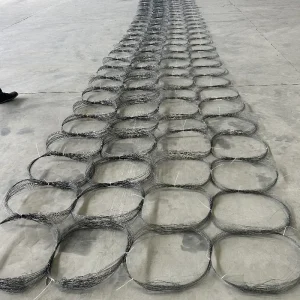
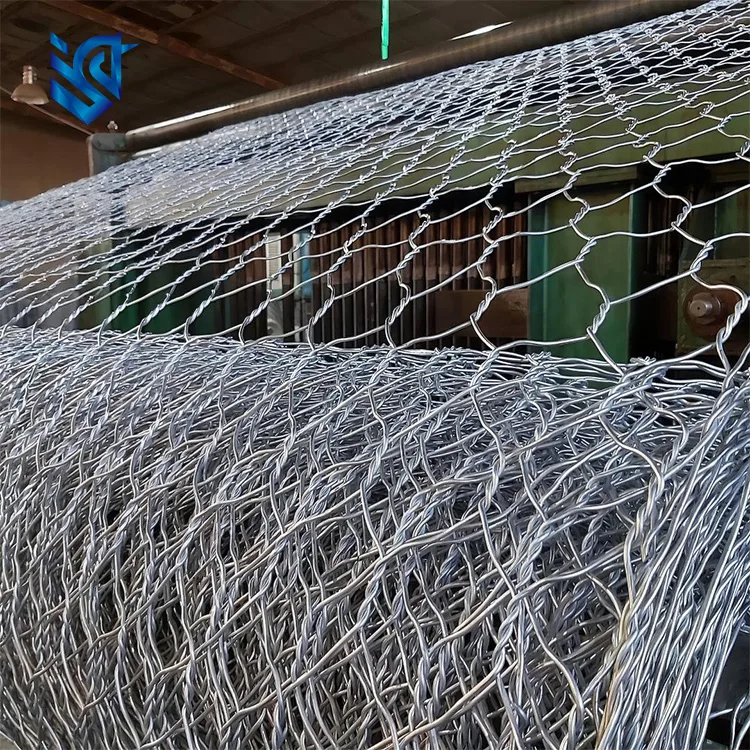
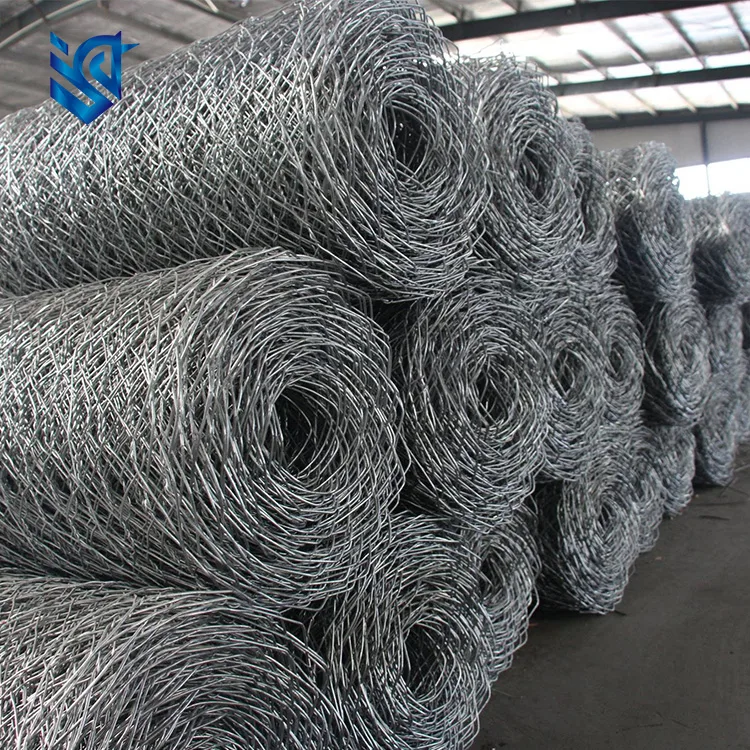
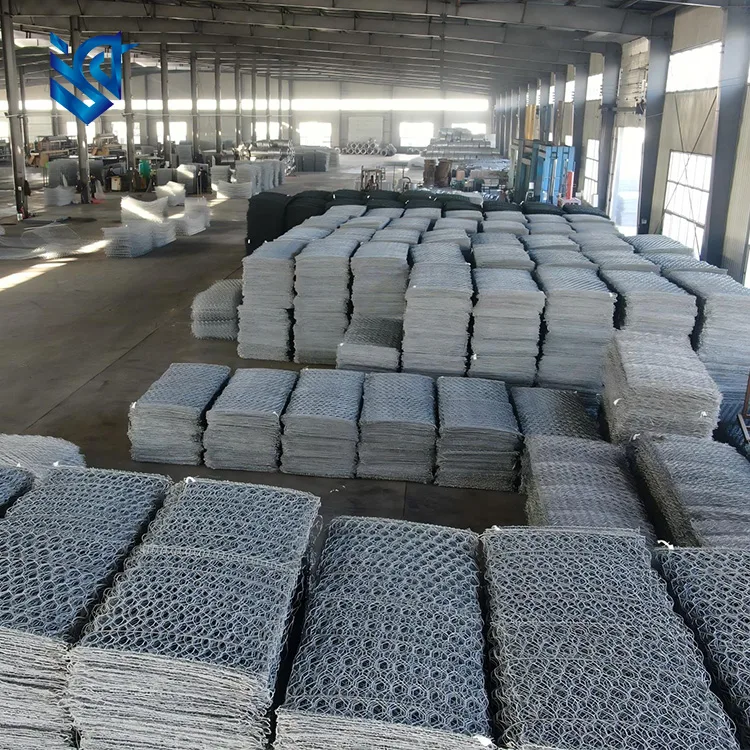
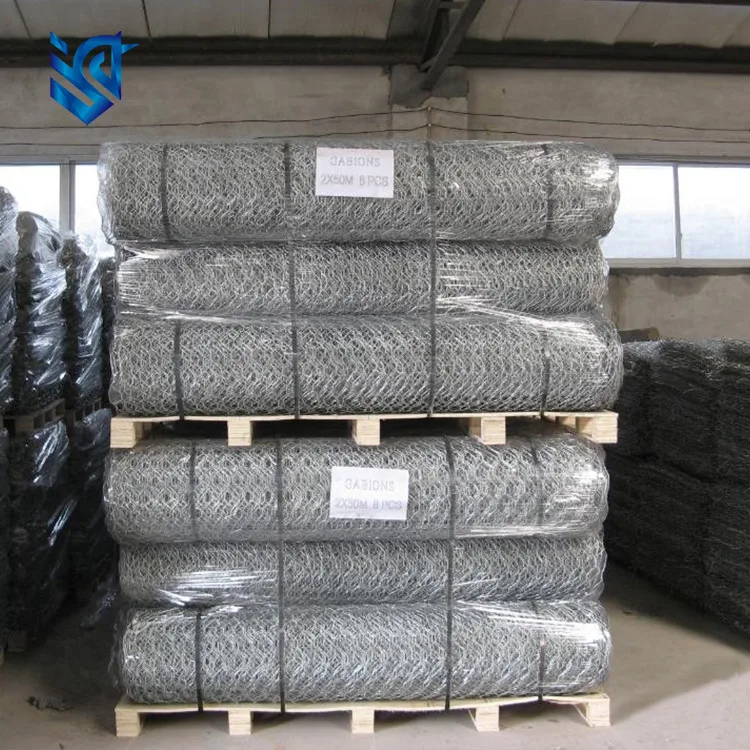
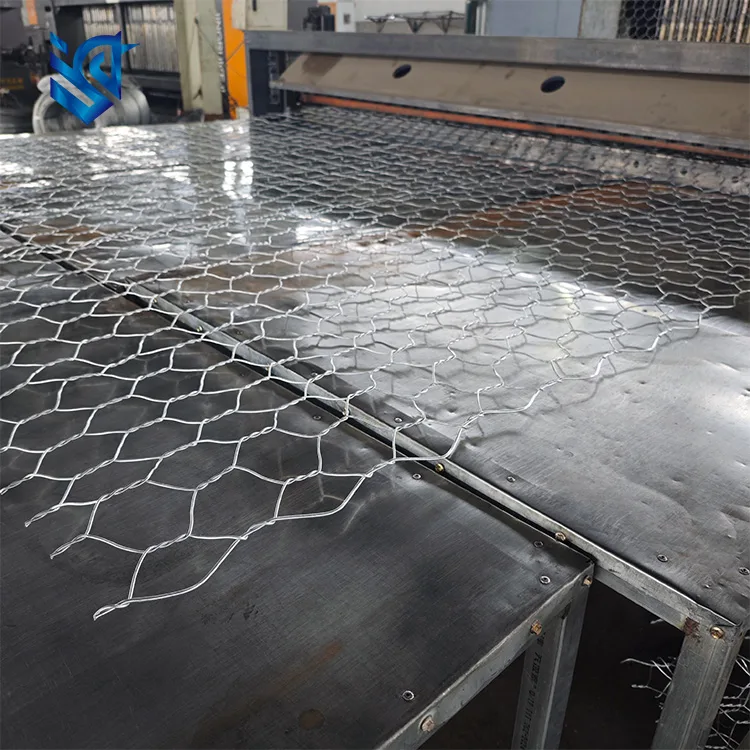
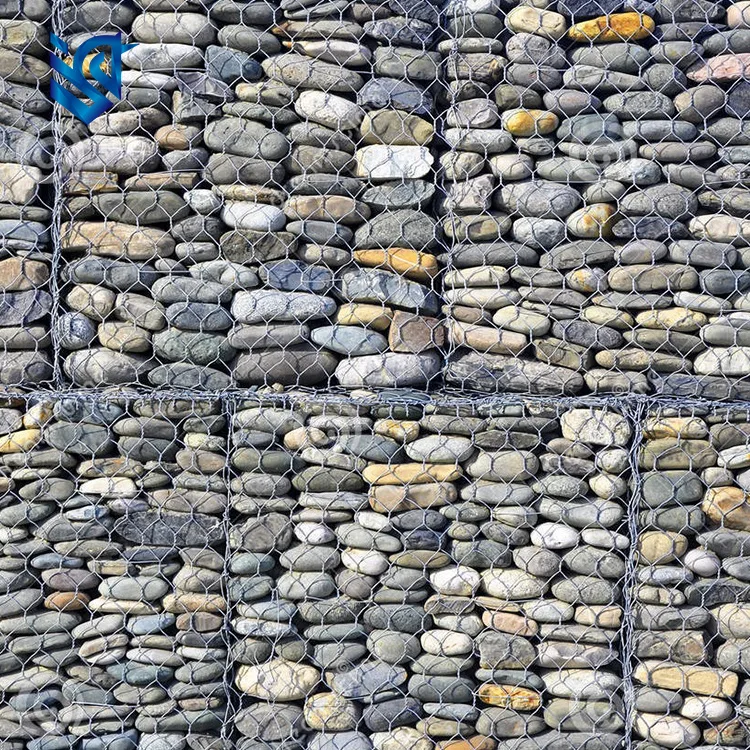
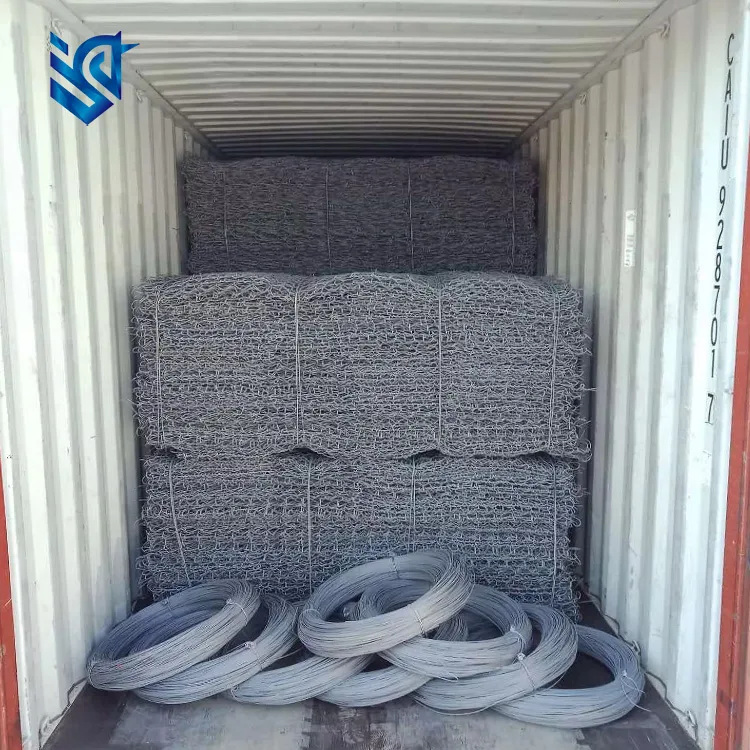
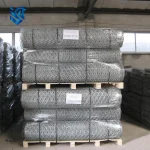
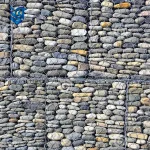
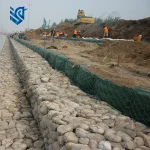
Gabion mesh, or gabion box, is a highly durable and versatile solution widely used in civil engineering, construction, and landscaping. Constructed from heavy-duty galvanized steel wire, gabion mesh is designed to form cages or baskets that can be filled with stones, rocks, or other materials. These structures are used primarily for erosion control, retaining walls, riverbank stabilization, and aesthetic landscaping projects.
Material Composition:
Galvanized Steel Wire: The primary material used, offering excellent corrosion resistance and strength. Galvanized steel ensures that the mesh can withstand harsh environmental conditions, including exposure to water, soil, and chemicals.
PVC-Coated Wire: For added protection against corrosion and to enhance the durability of the gabions, especially in highly corrosive environments such as coastal areas.
Mesh Type:
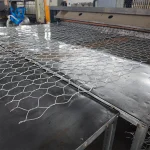
Hexagonal Mesh: The most common type, characterized by its flexibility and ability to conform to various shapes and terrains, making it ideal for uneven surfaces.
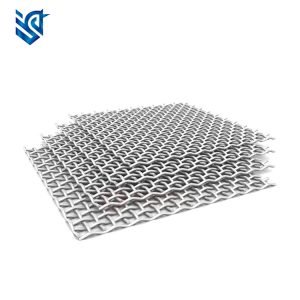
Welded Mesh: Provides a more rigid and uniform structure, suitable for straight, vertical applications like retaining walls.
Wire Diameter: Typically ranges from 2.0 mm to 4.0 mm, depending on the load-bearing requirements and the specific application.
Mesh Size: The standard mesh size is 8 cm x 10 cm, but other sizes are available to meet specific project needs.
Gabion Box Sizes: Gabion baskets are available in various standard sizes, such as 1m x 1m x 1m, 2m x 1m x 1m, and 3m x 1m x 1m, with custom dimensions also possible to fit unique design requirements.
Applications of Gabion Mesh:
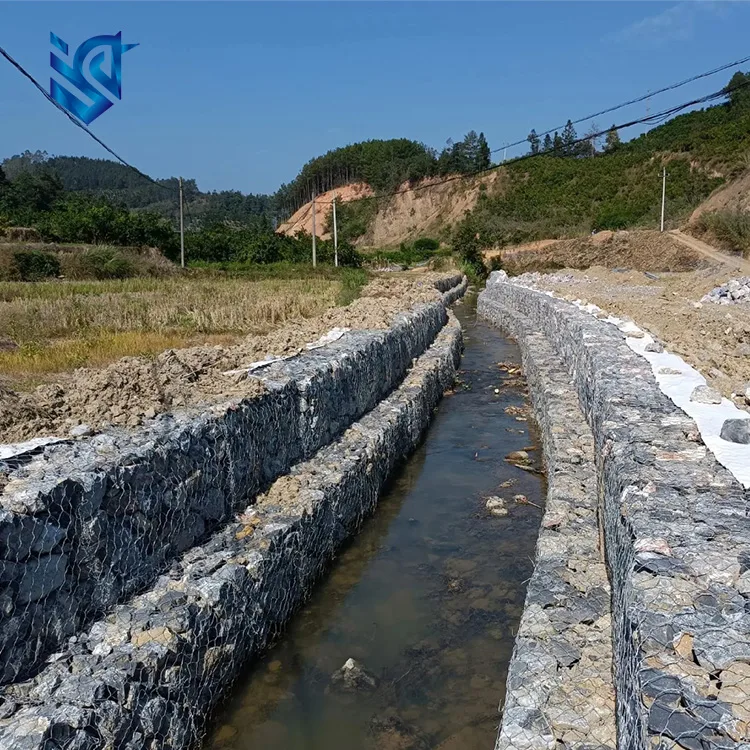
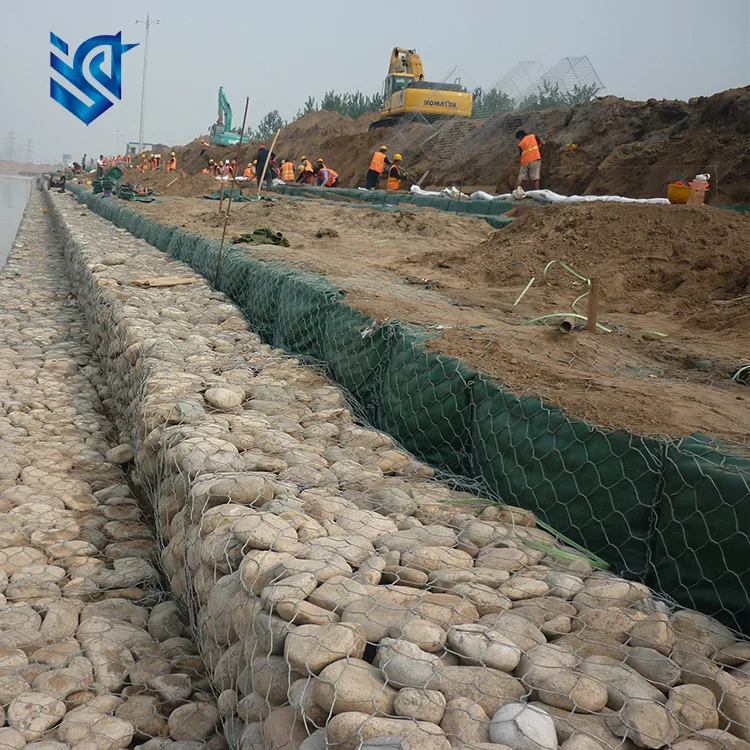
- Erosion Control:Gabion mesh is commonly used to prevent soil erosion in areas prone to heavy rainfall, riverbanks, and coastal regions. The mesh-filled structures provide stability and protect against the effects of water and wind erosion, the stone cage is very solid and strong.
- Retaining Walls:Gabion walls offer a natural and aesthetically pleasing alternative to traditional retaining walls. They are often used in landscaping, road construction, and urban planning to retain soil on sloped terrains.
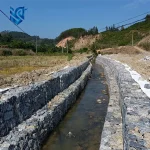
- Riverbank and Shoreline Protection:Gabion mesh is used to reinforce riverbanks, shorelines, and embankments, helping to prevent erosion and protect against flooding.
- Landscaping:In gardens and public spaces, gabion mesh is used to create decorative features, such as garden walls, benches, and planter boxes. The natural appearance of stone-filled gabions blends seamlessly with the environment.
- Road Construction:Gabion mesh is utilized in road construction projects to stabilize slopes, prevent landslides, and support road foundations.
Advantages of Gabion Mesh:
- Durability:Made from high-strength galvanized or PVC-coated wire, gabion mesh is designed to last for decades, even in challenging environments.
- Flexibility:The hexagonal design allows gabions to flex and conform to the landscape, making them ideal for use on irregular or uneven surfaces.
- Environmental Benefits:Gabions are filled with natural materials, promoting drainage and reducing the risk of water buildup, making them an eco-friendly solution.
- Aesthetic Appeal:Gabions offer a rustic, natural look that complements outdoor settings, making them a popular choice for landscape architects and designers.
- Cost-Effective:Gabion mesh provides a cost-efficient alternative to traditional construction materials, requiring minimal maintenance and offering a long service life.
- Quick Installation:Gabions can be assembled and installed on-site with relative ease, reducing construction time and labor costs.
We provide top-quality gabion mesh products tailored to the specific needs of our clients. Whether you’re looking to control erosion, build retaining walls, or enhance your landscape design, our gabion mesh solutions offer the durability, flexibility, and aesthetic appeal you need. With our commitment to quality and customer satisfaction, you can trust us to deliver gabion mesh products that stand the test of time and meet the demands of any project.