Description
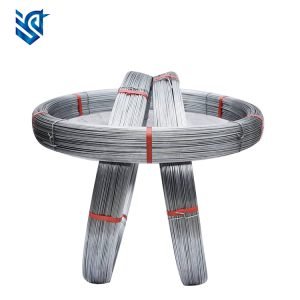
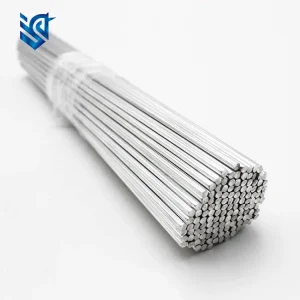
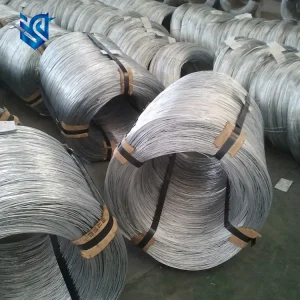
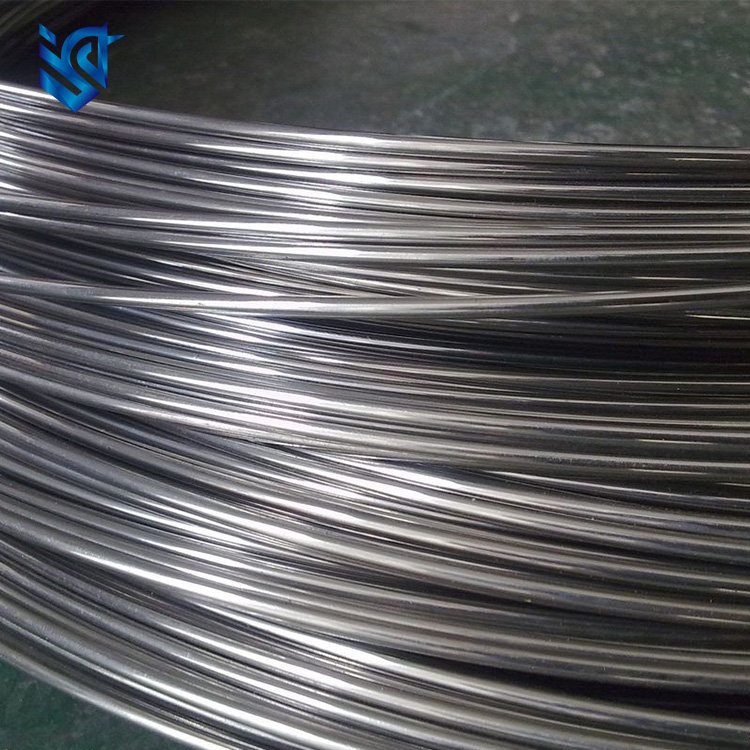
Hard drawn wire is a type of steel wire that has been cold drawn through a series of dies to increase its tensile strength and hardness. This process results in a wire that is exceptionally strong, durable, and capable of withstanding significant stress and load without deforming. Hard drawn wire is widely used in applications that require high strength and rigidity, making it a crucial component in construction, manufacturing, and industrial settings.
Material Composition:
High-Carbon or Low-Carbon Steel: High quality steel provides the necessary hardness and tensile strength to endure demanding conditions.
Cold Drawing Process: The wire undergoes a cold drawing process where it is pulled through progressively smaller dies, increasing its strength and hardness while reducing its diameter.
High Tensile Strength:
The cold drawing process significantly increases the wire’s tensile strength, making it ideal for applications that require robust and resilient materials.
Wire Diameter: Available in a range of diameters, from thin wires used in fine mechanical components to thicker wires for heavy-duty applications.
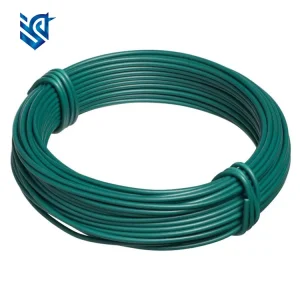
Surface Finish: Can be supplied in various finishes, such as bright or galvanized, depending on the intended use and environmental conditions. The surface finish helps protect the wire from corrosion and wear.
Applications of Hard Drawn Wire:
- Construction:Commonly used in reinforcing concrete, fabricating wire mesh, and in the production of nails, screws, and other fasteners. Its high strength makes it ideal for structural applications where stability and durability are essential.
- Manufacturing:Used in the production of springs, cables, and various mechanical components where strength and resistance to deformation are critical.
- Agriculture:Employed in the construction of durable fences, trellises, and other farm structures that need to withstand heavy loads and environmental stress.
- Automotive Industry:Utilized in the manufacturing of components like springs, wire forms, and other parts that require high strength and reliability.
- Industrial Equipment:Hard drawn wire is used in the production of machinery and equipment parts that must endure high stress and wear, such as conveyor belts, pulleys, and load-bearing structures.
Advantages of Hard Drawn Wire:
- Exceptional Strength:The cold drawing process enhances the wire’s tensile strength, making it suitable for heavy-duty applications where standard wire might fail.
- Durability:Hard drawn wire is highly resistant to wear, deformation, and environmental factors, ensuring long-lasting performance in demanding conditions.
- Versatility:Available in various diameters and finishes, hard drawn wire can be customized to meet the specific requirements of different applications, from construction to manufacturing.
- Cost-Effective:Offers a strong, reliable solution for industrial and construction needs, often at a lower cost compared to other high-strength materials.
- Corrosion Resistance:When finished with a galvanized or coated surface, hard drawn wire gains additional protection against rust and corrosion, making it suitable for outdoor use.
We provide high-quality hard drawn wire tailored to meet the stringent demands of our customers across various industries. Whether you need wire for construction, manufacturing, or industrial equipment, our hard drawn wire offers the strength, durability, and performance you require. With our commitment to quality and customer satisfaction, you can trust us to deliver wire solutions that exceed your expectations and stand up to the toughest challenges.