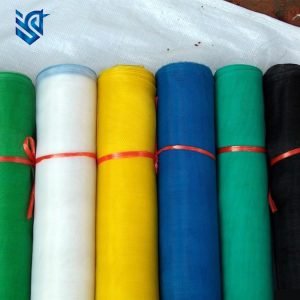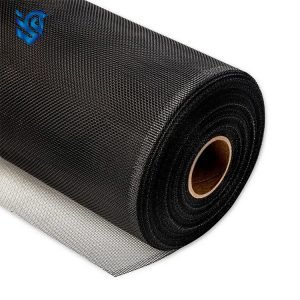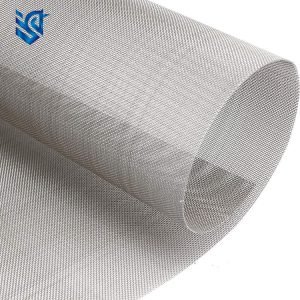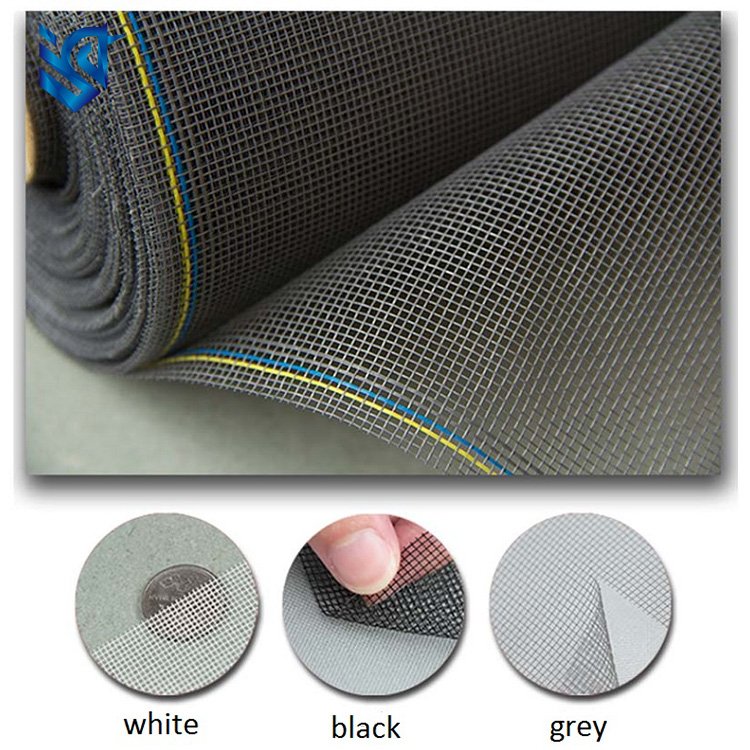
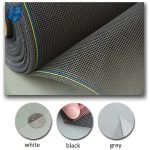
Fiberglass Window Screen

Additional information

Description

Fiberglass window screen is composed of glass fiber and PVC.

Weight: 90g/m2-120g/m2

Characteristics: Long service life, anti-aging; Wide application range; Non-toxic, tasteless and environmentally friendly; Fire and flame retardant; Good light transmission performance

Application: This kind mosquito net is widely used in office, residences and various buildings, livestock farms, orchards, etc. It is the most cost-effective product for insect and mosquito protection.

MESH ROLL SIZE (m)
14X 14 length:15-50

width:0.6-1.8

14X 16
14X 18
16X 16
16X 18

sa

Q1: What are fiberglass window screens made of?

They’re woven from fine fiberglass strands coated in PVC (polyvinyl chloride), which makes them lightweight, flexible, and resistant to rust or corrosion.

Fiberglass itself isn’t easily recyclable, but their long lifespan reduces waste compared to frequently replacing less durable screens.

Fiberglass is non-flammable but can melt under extreme heat. The PVC coating may emit fumes if burned.

They resist rust and salt corrosion better than aluminum but are less tear-resistant. They’re ideal for moderate climates but may warp in extreme heat or cold.

With proper care, they typically last 5–10 years. Harsh weather, pets, or physical damage can shorten their lifespan.

Use mild soap, water, and a soft brush. Avoid abrasive tools or harsh chemicals to prevent mesh damage.

Proper installation minimizes sagging. If loosening occurs, retightening the spline (the rubber cord holding the screen in the frame) can help.

Yes! Their lightweight, flexible design makes DIY installation simple with basic tools like a spline roller and utility knife.

Small tears can be patched with a repair kit. Large damage usually requires full replacement.

Proper installation minimizes sagging. If loosening occurs, retightening the spline (the rubber cord holding the screen in the frame) can help.

No. Their fine mesh allows excellent airflow and visibility while keeping out insects like mosquitoes.

They block pollen and dust effectively but aren’t as tightly woven as hypoallergenic meshes designed for severe allergies.

Most have UV-resistant coatings to prevent fading, though prolonged sun exposure may degrade the mesh over time.

Standard 14×14 18×16 mesh blocks most insects. Smaller options (e.g., 20×20) target tiny pests like no-see-ums.

They’re similarly priced or slightly cheaper, offering better value due to rust resistance and low maintenance.

Fiberglass is more affordable and flexible, while polyester is stronger and more pet-resistant but pricier.

Lightweight, rust-proof, cost-effective, and better visibility/airflow than aluminum or polyester.

Charcoal, black, and gray are most common. Some brands offer custom colors to match window frames.

Not recommended—paint can clog the mesh. Opt for pre-colored screens instead.

No—they’re less durable against claws than polyester or metal. Use pet-resistant screens for high-impact areas.

Yes—their lightweight design makes seasonal removal and storage easy.

They handle humidity well but may warp in intense heat or cold. Aluminum is better for harsh climates.

Yes—their lightweight design makes seasonal removal and storage easy.

-B2C customers: Online retailers or local wire mesh shops.

-B2b customers: Contact us directly. Competitive price and high quality.

Less durable than aluminum. Metal screens are better for high-traffic areas prone to impacts.

Ask For Quote

Just write the details then our staff will contact you shortly.