Description
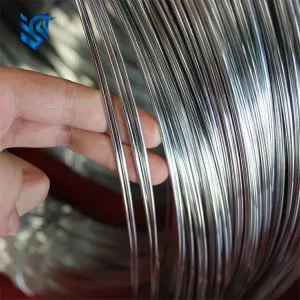
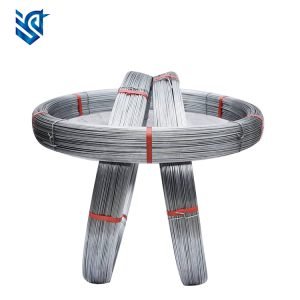
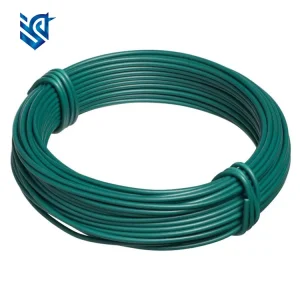
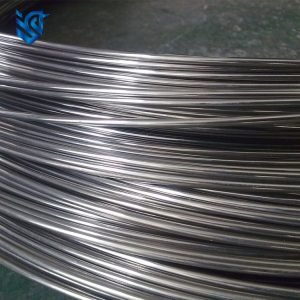
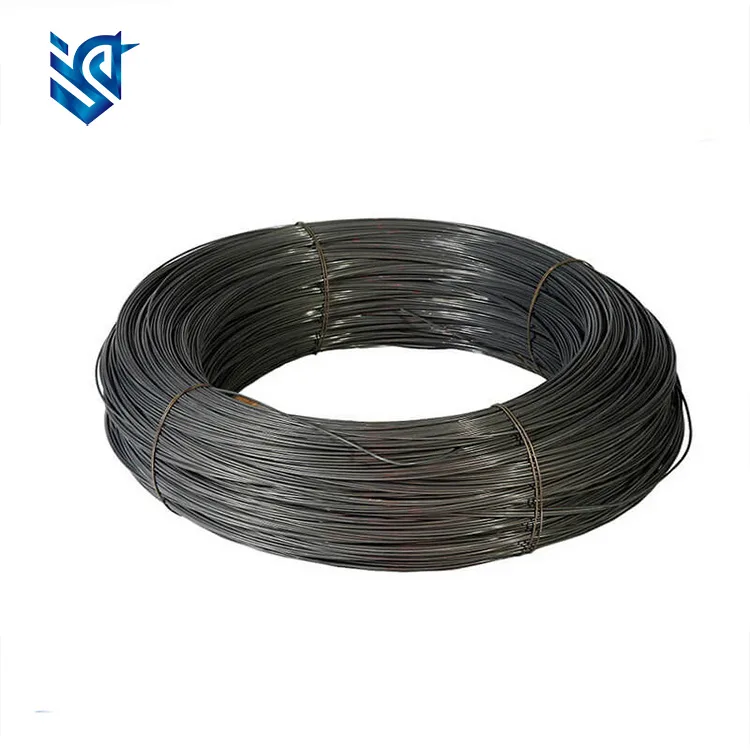
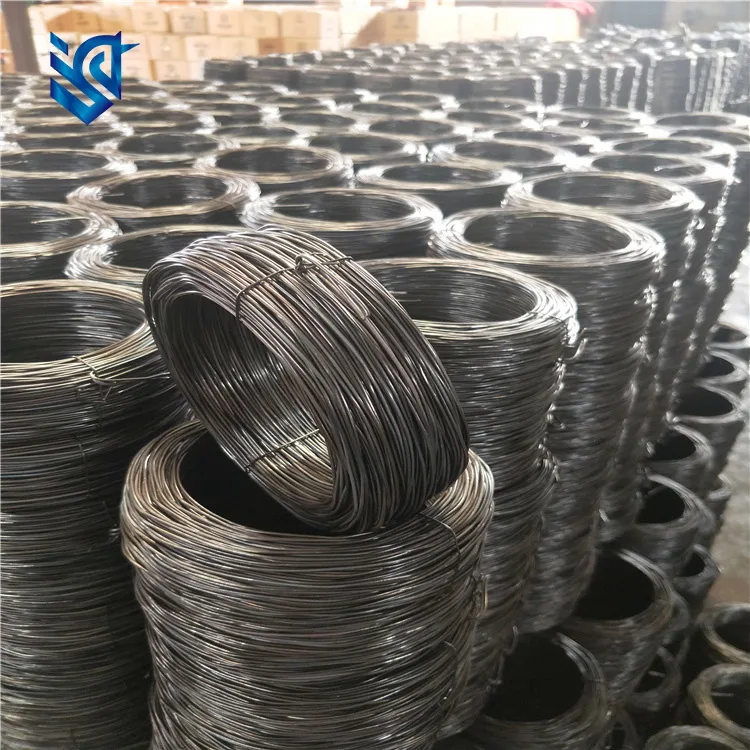
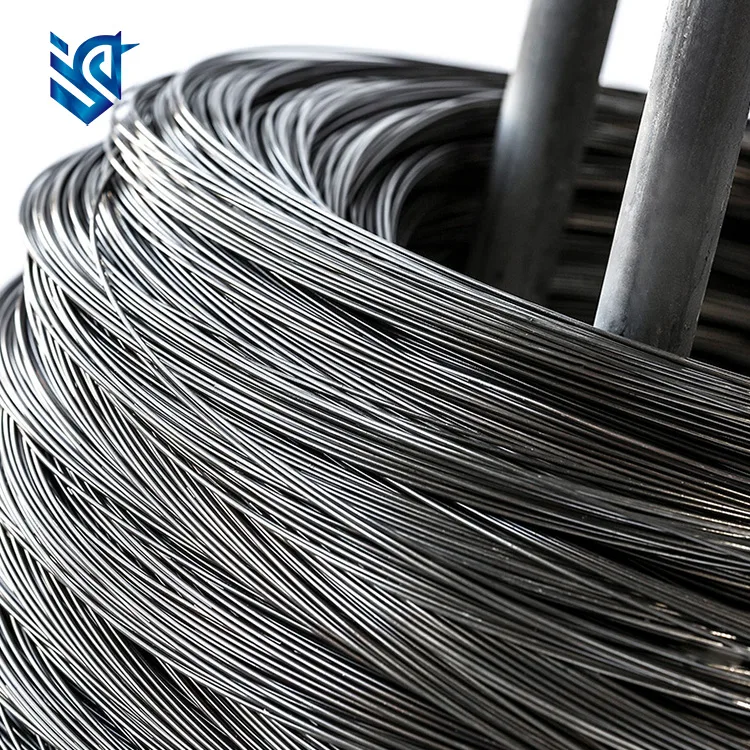
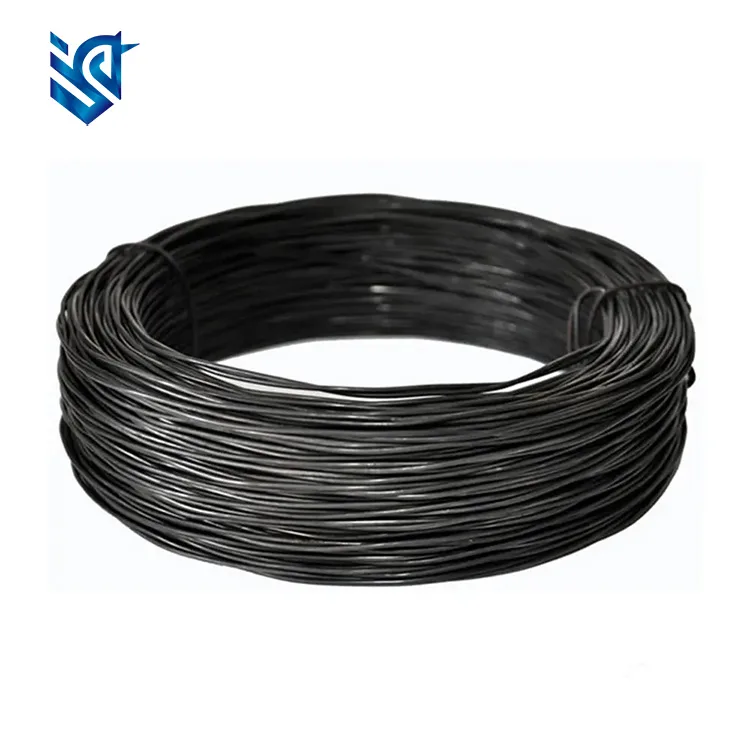
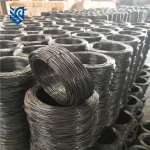
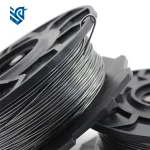
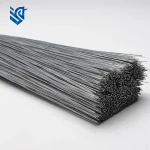
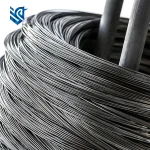
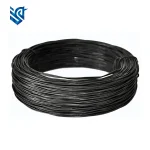
Black annealed wire is a type of low-carbon steel wire that has undergone an annealing process, which involves heating and then slowly cooling the wire to enhance its flexibility and ductility. This process results in a soft, pliable black tie wire that is easy to work with, making it an ideal choice for binding, tying, and other applications where malleability is essential. The wire has a black, oxidized finish, which gives it its characteristic dark appearance.
Material Composition:
Low-Carbon Steel: The base material is low-carbon steel, which provides the wire with strength and durability while allowing it to be easily shaped and twisted.
Annealing Process: The wire is heat-treated to increase its flexibility, making it easier to manipulate without breaking.
Surface Finish:
Black Oxidized Coating: The annealing process leaves the wire with a black oxide layer, giving it a distinctive dark finish. This coating provides a degree of corrosion resistance and helps prevent rust in indoor or short-term outdoor applications.
Wire Diameter: Available in various diameters, typically ranging from 0.5 mm to 5.0 mm, allowing it to be used for a wide range of binding and tying tasks.
Softness and Flexibility: The annealed wire is softer and more flexible than other types of wire, making it easier to tie, bend, and cut to the desired length so we also call it soft binding wire.
Applications of Black Annealed Wire:
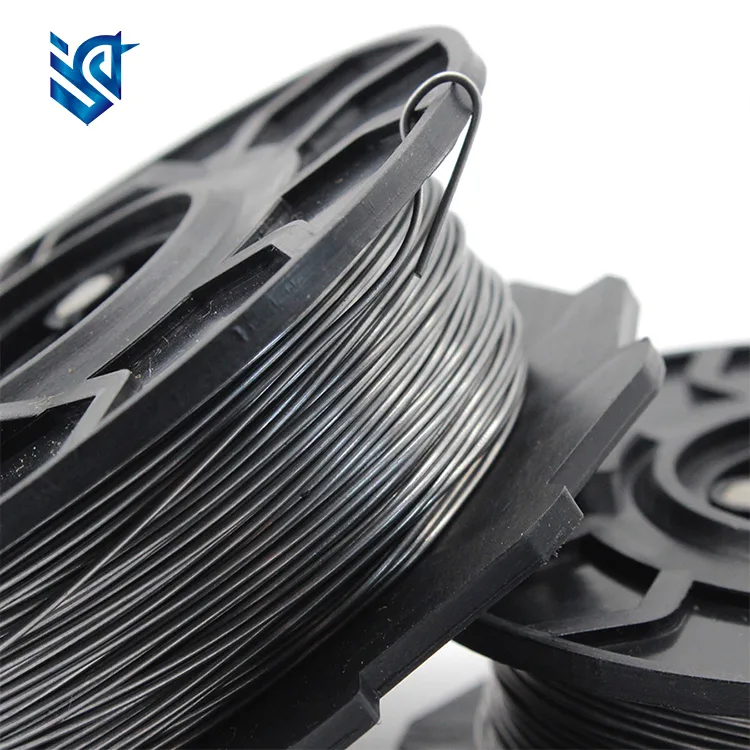
- Construction:Commonly used for tying rebar (reinforcing bars) in concrete structures, where its flexibility allows for quick and secure binding, we can also name it rebar tying wire.
- Agriculture:Ideal for baling hay, tying plants, and general farm use, where a strong yet pliable wire is needed.
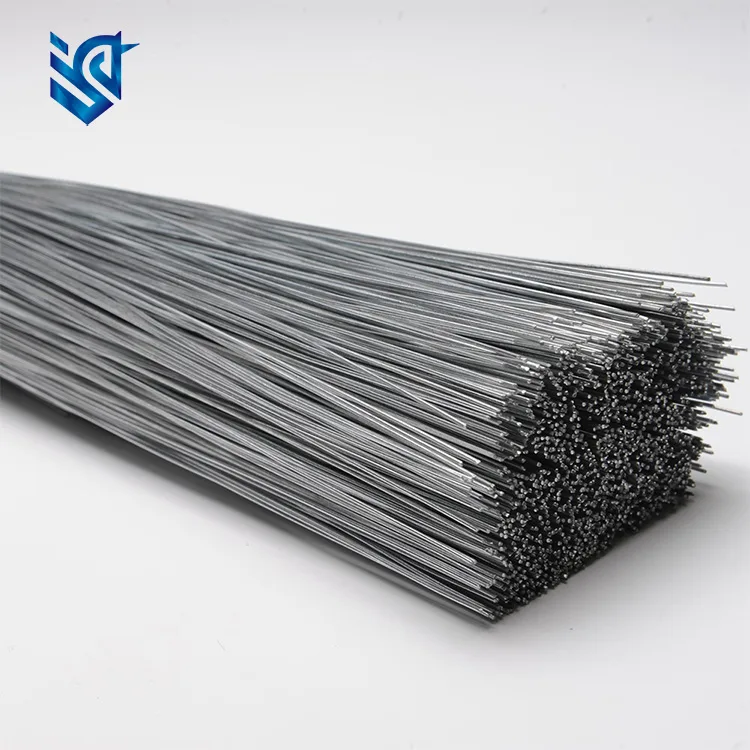
- Packaging:Employed in the packaging industry for bundling products, securing materials, and creating ties for various packaging needs.
- Crafting:Used in the creation of artwork, jewelry, and other crafts, where its ease of use and ability to hold shapes are beneficial.
- Fencing:Often used for temporary fencing or to reinforce existing fences, where its durability and flexibility are valuable.
- Household Use:Practical for everyday tasks like tying up garden plants, fixing fences, or organizing tools, due to its versatility and ease of handling.
Advantages of Black Annealed Wire:
- High Flexibility:The annealing process makes the wire exceptionally soft and easy to manipulate, reducing the effort required for tying and binding tasks.
- Cost-Effective:Black annealed wire is an economical choice for various applications, offering good performance at a lower cost compared to other types of wire.
- Easy to Work With:Its softness and pliability make it easy to handle, cut, and twist, making it a preferred option for both professionals and DIY enthusiasts.
- Versatile Applications:Suitable for a wide range of uses, from construction and agriculture to crafting and everyday household tasks.
- Rust Resistance:The black oxide finish provides a basic level of protection against rust, especially in indoor and temporary outdoor environments.
We offer high-quality black annealed wire tailored to meet the diverse needs of our customers. Whether you’re in construction, agriculture, or simply need a reliable wire for crafting or household use, our black annealed wire provides the perfect balance of strength, flexibility, and affordability. With our commitment to quality and customer satisfaction, you can trust us to deliver wire solutions that meet your specific requirements and exceed your expectations.