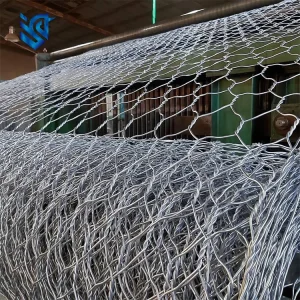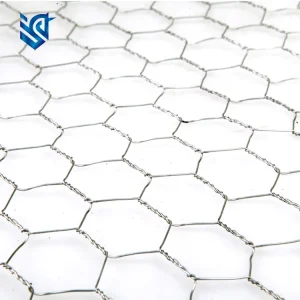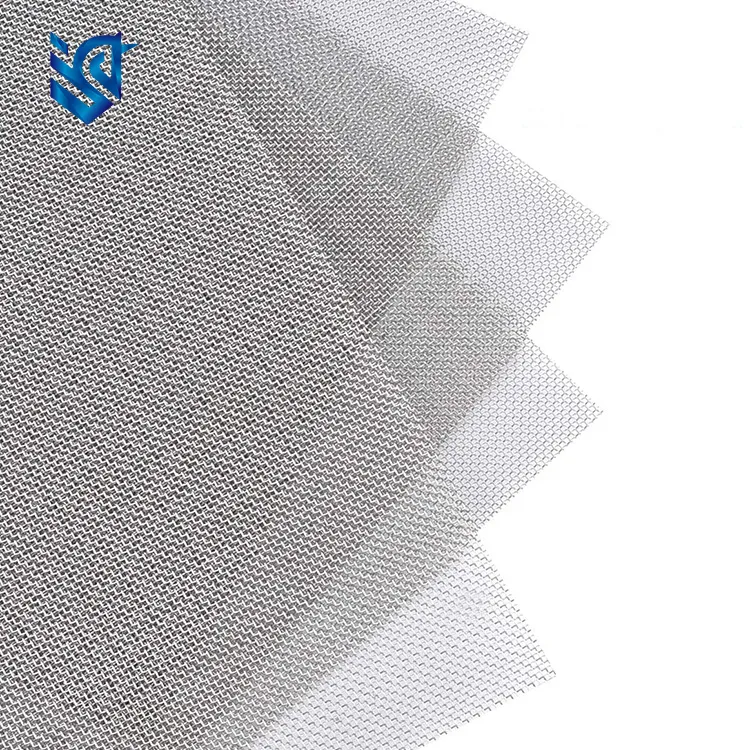
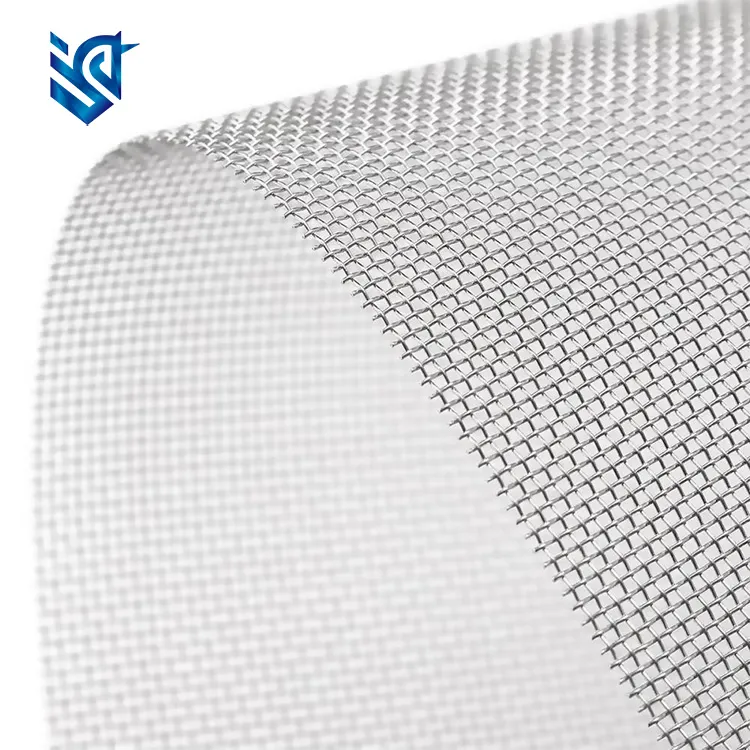
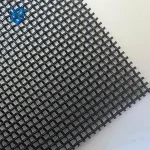

Stainless Steel Mesh

Corrosion-resistant stainless steel mesh for filtration, sieving, and architectural use, offering strength, longevity, and versatility in demanding environments.

Additional information

Description

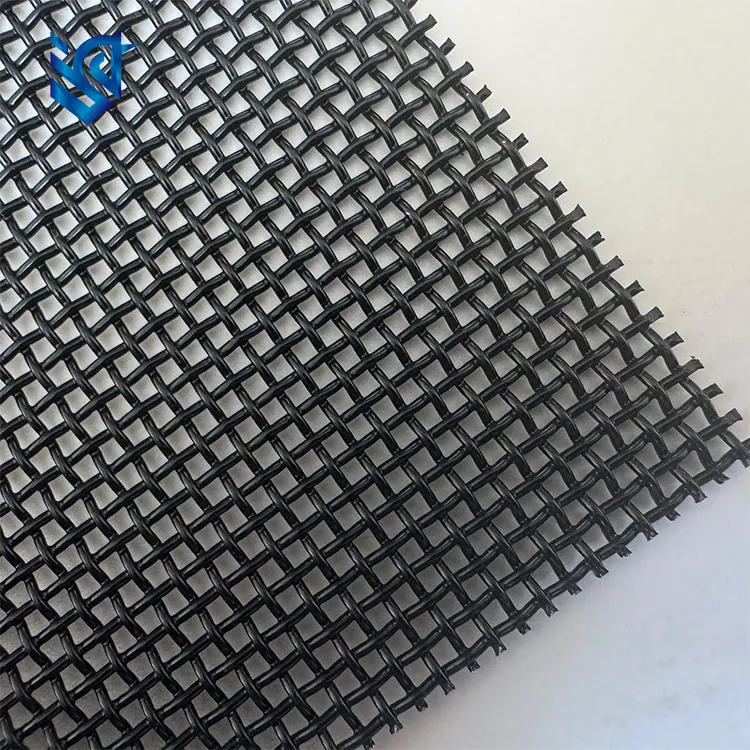
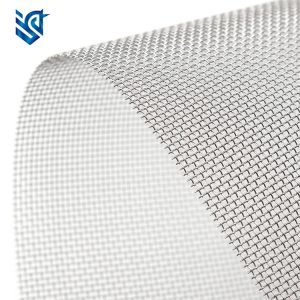
Stainless steel wire mesh is a woven or welded mesh made from stainless steel wires. Known for its exceptional strength, durability, and corrosion resistance, it is widely used in various industrial, commercial, and architectural applications. Here we mainly introduce the stainless steel woven mesh (ss woven mesh).

Material:

Stainless Steel Grades: Commonly made from grades like 304, 316, and 316L, which offer excellent corrosion resistance, especially in harsh environments. We can supply GB, ASTM, SUS stainless steel wire. 304 SS wire mesh and 316 SS wire mesh are common.

Corrosion Resistance: The chromium content in stainless steel forms a protective layer, making the mesh highly resistant to rust and corrosion, even in marine or chemical environments.

Woven Mesh: The wires are woven together in various patterns, such as plain weave, twill weave, or Dutch weave, depending on the application.


Mesh Size: The mesh size refers to the number of openings per linear inch. It can range from very fine mesh with hundreds of openings per inch (used for filtering) to larger, more open mesh for fencing or architectural applications.

Wire Diameter: The thickness of the wire can vary widely, from very fine wires (as thin as 0.025 mm) to thicker wires (up to several millimeters) depending on the strength and flexibility required.


Applications:

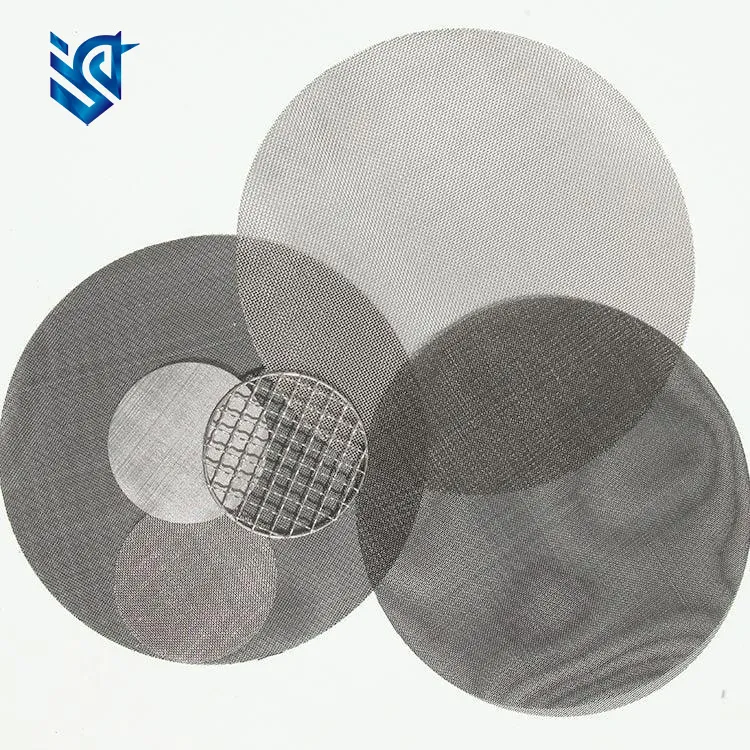
Filtration: Used in industries like oil, gas, and food processing for sieving and filtering liquids and gases.

Security and Safety: Employed as security screens, machine guards, and in other safety-related applications due to its strength and resistance to tampering.

Architectural Uses: Incorporated into building facades, ceilings, and decorative elements due to its aesthetic appeal and durability.

Chemical and Pharmaceutical: Ideal for environments that require high cleanliness and resistance to corrosion.

Automotive and Aerospace: Used in exhaust systems, heat shields, and as reinforcement in composite materials.


Advantages:

High Strength: Capable of withstanding heavy loads and impacts.

Corrosion Resistance: Performs well in extreme environments, including exposure to chemicals and high temperatures.

Longevity: Offers a long service life with minimal maintenance.

Aesthetic Appeal: Stainless steel has a sleek, modern appearance, making it popular in architectural applications.


Surface Treatment:

Polishing: The mesh can be polished for a shiny, reflective surface, enhancing its appearance in decorative applications.

Passivation: A chemical process that enhances the corrosion resistance of the stainless steel by removing contaminants.


Types of Stainless Steel Wire Mesh:

Plain Weave: The most common type, where each warp wire crosses alternately above and below each weft wire, forming a stable and consistent mesh.

Twill Weave: Each wire crosses over two and under two wires, creating a more flexible and stronger mesh.

Dutch Weave: A denser weave with more wires in one direction, often used for fine filtration.


Stainless steel wire mesh is a versatile and durable material suitable for a wide range of applications where strength, corrosion resistance, and longevity are critical.
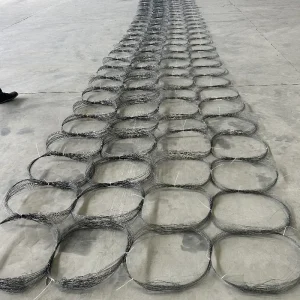
a

Q1: What is stainless steel wire mesh?

Stainless steel wire mesh is a grid-like material made by weaving or welding stainless steel wires into uniform patterns. It is known for its corrosion resistance, strength, and versatility in industrial, commercial, and decorative applications. Here it mainly refers to stainless steel woven mesh.

Plain weave, twill weave, Dutch weave.

Stainless steel offers superior corrosion resistance and durability compared to galvanized (zinc-coated) steel or aluminum.

It’s ideal for harsh environments, while galvanized/aluminum meshes are cheaper but less durable.

Common grades:

-304/304L: General-purpose, resists oxidation and mild chemicals.

-316/316L: Higher corrosion resistance (marine/chemical environments).

-430: Cost-effective for non-corrosive applications.

Key advantages:

– Rust/corrosion resistance.

– High-temperature tolerance.

– Hygienic (easy to clean, food-safe).

– Long lifespan with minimal maintenance.

It is rust-resistant. Higher grades (e.g., 316) resist rust better in salty or acidic environments. Poor maintenance or physical damage can still cause localized rust.

Applications include:

– Filtration (water, oil, air).

-Construction (safety barriers, reinforcement).

-Agriculture (animal fencing, sieves).

-Food/Pharma (screening, conveyor belts).

-Decorative (architectural facades, art).

Yes. Grades like 316 excel in marine settings, while most stainless steels withstand temperatures up to 1,600°F (870°C) without warping.

Yes. Grades 304 and 316 are FDA-compliant for food processing and medical equipment due to non-reactive surfaces.

Mesh size is defined by:

-Mesh count: Number of openings per linear inch (e.g., 10×10 mesh = 10 openings per inch).

-Wire diameter: Thickness of wires (in millimeters or gauge).

-Aperture: Distance between parallel wires.

-Woven: Interlaced wires; flexible, precise openings (ideal for filtration).

-Welded: Rigid, fixed intersections (screens, fencing).

-Expanded: Cut/stretched sheets; lightweight (grating, walkways).

Open Area (%) = (Aperture Width² / (Aperture Width + Wire Diameter)²) × 100.

Typically 48″ x 96″ or 48″ x 120″ for sheet and 1x30m for roll, but custom sizes are available.

Decades, depending on grade, environment, and maintenance. 316 lasts longer in corrosive settings than 304.

Use mild soap/water, avoid abrasive tools. For stubborn stains, use diluted vinegar or specialized stainless steel cleaners. Rinse thoroughly after exposure to salt/chemicals.

Rust can occur due to:

– Exposure to chlorides or acids.

– Scratches/damage exposing raw steel.

– Contamination from carbon steel particles.

Fix: Clean with a rust remover, then repassivate with nitric acid.

Use tin snips, angle grinders, or laser/waterjet cutting for precision. Wear gloves to avoid sharp edges.

Yes. TIG welding is common. Avoid mixing with non-stainless metals to prevent galvanic corrosion.

Yes. Options include custom sheet shapes (square, round), edge binding, or powder coating.

Varies by wire thickness and mesh type. Welded meshes handle heavier loads than woven.

MOQs vary by size, usually MOQ is 2rolls. Small orders may incur custom fees, while bulk orders often get discounts.

Common standards: ASTM E2016 (industrial mesh), ISO 9001 (quality management), and FDA compliance for food-grade uses.

Rolled in protective film or flat-packed in crates. Fragile meshes may have cardboard separators.

Yes, the term is usually FOB, CFR or CIF. DDP is also available.

-Plain weave: Basic crisscross pattern; balanced strength.

-Twill/Dutch weave: Tight, dense structure; better filtration and stability.

Stainless steel costs 2–3x more than galvanized/aluminum but offers longer lifespan and lower maintenance.

Stainless steel retains strength at high temps but may oxidize over time. Avoid rapid temperature changes to prevent warping.

Secure edges with frames, avoid uneven tension, and use thicker gauges for large spans.

Yes. Stainless steel is 100% recyclable without quality loss.

Ask For Quote

Just write the details then our staff will contact you shortly.